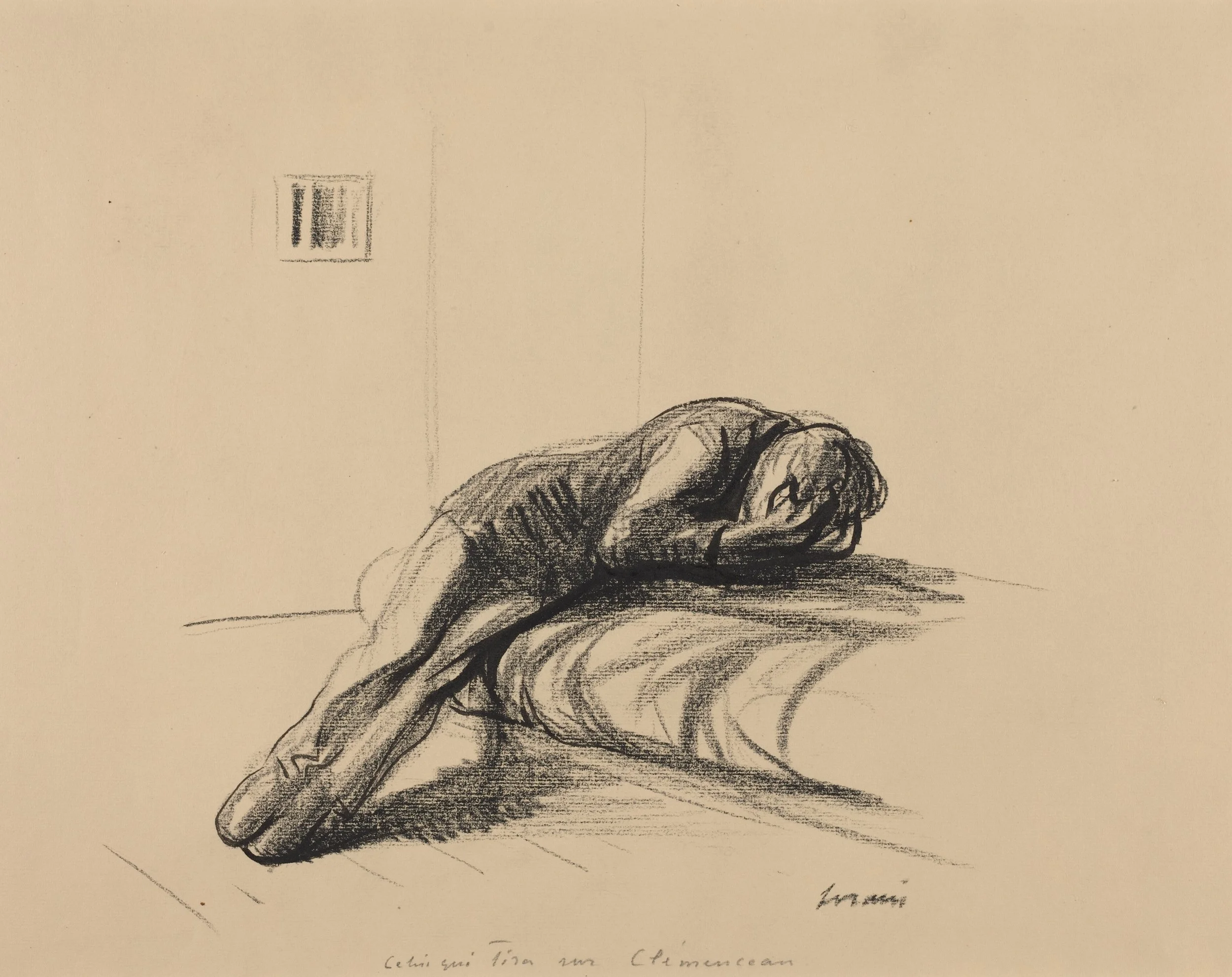
What is anxiety?
Anxiety is often described as an unpleasant feeling of fear or unease. Although it is normal to experience anxiety, especially when approaching something new or facing a stressful situation, some people experience anxiety every day, even in harmless situations. If you feel your anxiety is constant, if it is interfering with your everyday life and relationships, or if it is intense or overwhelming, psychotherapy can help you start to explore some of your triggers.
How can psychotherapy help with anxiety?
Anxiety can be very personal, and what causes one person to feel anxious does not necessarily trigger a feeling of anxiety in another. Possible causes of anxiety can be our upbringing, a previous traumatic experience, our environment or our temperament. It can present itself in a variety of ways, including feelings of restlessness, irritability, difficulty concentrating, sleep disturbance, fatigue, nausea, diarrhoea, muscle cramps, and psychosomatic sensations such as having a lump in your throat.
To elevate the feelings of anxiety, it is important that you feel safe. Psychotherapy is unique in that the presence of the psychotherapist has a physiological effect that calms the nervous system of the client. This is similar to the mother and child bond, where the mother attunes to the state of the child, allowing them to feel safe to express themselves. This, in itself, is a very powerful process, as for some people with anxiety, it has felt like a long time since they have felt safe and at ease. In feeling safe, it reminds the body that another way of being is possible. In having repeated experiences of feeling safe, you start to strengthen that feeling muscle and find yourself experiencing it outside of the therapy space.
Psychotherapy can also help explore the ‘root’ of why you may be feeling anxious. Sometimes, what is actually making us anxious is buried deep in the ‘unconscious’. This means that something may have happened in our past that we have forgotten about, but our body hasn’t, and it is now being expressed through anxious thoughts and behaviours. Psychotherapy helps to gently explore what this may be and to look at it as adults, allowing you to realise that what once was a scary situation, you no longer something you need to be fearful of. This is a very powerful and profound realisation.
Some people are more prone to anxiety than others. Perhaps you were told you were ‘too sensitive’ as a child, or you had a difficult time trying to understand why you felt a constant sense of fear or unease, whilst others seem to go through life feeling calm and at ease. Psychotherapy can help you understand yourself better and perhaps help you realise that being sensitive can, in fact, be your superpower. Together, we can create ways of supporting you when you feel overwhelmed, which allows you to use your deep sense of empathy and sensitivity when you need to.
How can arts psychotherapy help?
Alongside everything I have spoken about, creativity adds an extra dimension in helping us explore and understand our feelings. Arts psychotherapy offers a way to externalise our feelings and thoughts so they do not feel overwhelming. This is especially important when working with anxiety, as often we can feel in fight, flight or freeze mode. Creativity can first help add movement to a fearful, stuck emotional state. In making small marks on a page, we start to release the tightness which we can feel in our bodies. Perhaps you may feel ready to create what anxiety feels like, perhaps through using pastels or clay, and together we can explore what it feels like to be you from different angles. In externalising something, we add distance, and distance allows us to see our experience both empathetically and objectively. I have often found that this means that clients process their experiences more deeply, allowing them to make more progress.
Will psychotherapy work alongside your medication?
Yes, medication is very useful to help alleviate your symptoms and help you with your everyday tasks and interactions. However, once your medication stops, your symptoms will likely return. Psychotherapy would aim to help you learn a bit more about yourself and try to get to the root of why you feel anxious. In exploring this together, the effects and impact of psychotherapy can be felt for months, if not years to come.
If this sounds interesting or helpful to you, get in touch for an initial conversation. I look forward to hearing from you.