
How can psychotherapy help?
Working together can help with a range of symptoms. Some of the issues I can help with include: feeling anxious, struggling with a low mood, feeling impacted by hormonal changes, having questions about your identity, coming to terms with a medical diagnosis or feeling swept away by grief.
Anxiety
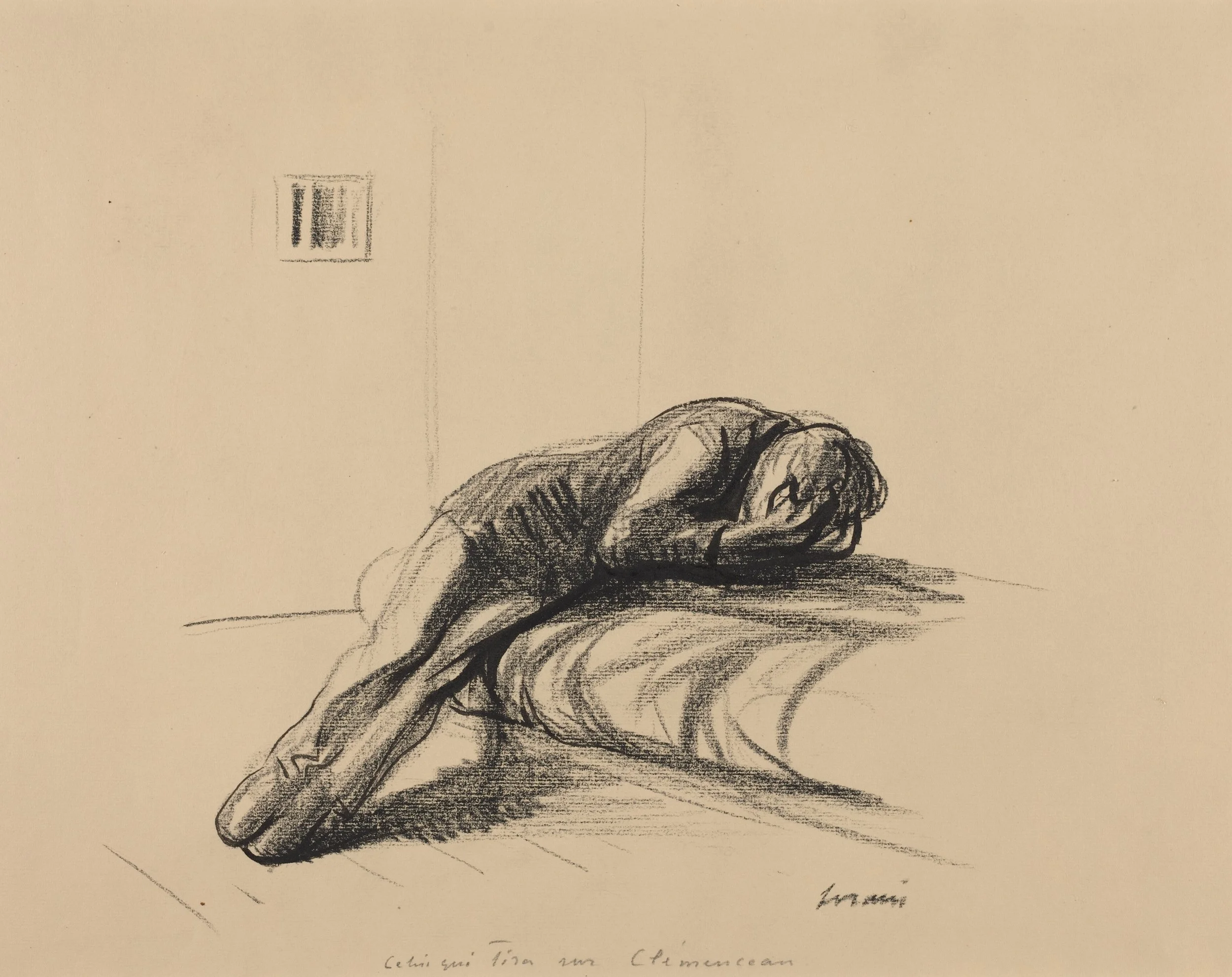
Anxiety is often described as an unpleasant feeling of fear or unease. Although it is normal to experience anxiety, especially when approaching something new or facing a stressful situation, some people experience anxiety every day, even in harmless situations. If you feel your anxiety is constant, if it is interfering with your everyday life and relationships, or if it is intense or overwhelming, psychotherapy can help you start to explore some of your triggers. Find out how psychotherapy can help with anxiety here
Low Mood

Depression or low mood describes the feeling of persistent and deep sadness, and often loss of interest in daily activities. As with any mental health symptom, it can vary in its severity, with some people able to carry out daily tasks, whereas others will struggle to get out of bed. If you feel like you are having difficulty completing daily tasks or perhaps you have noticed you have a continuous flat or low mood, psychotherapy will be able to help.
Hormonal Health

Unfortunately, the realm of women’s menstrual health and the impact it has on physical and mental health has been underfunded, under-researched and often misunderstood. As someone who has suffered from hormonal irregularities throughout my menstrual life, I encourage all my clients who menstruate to bring this aspect of their lives into the therapy room. In doing so, together we can notice emotional fluctuations as well as try to understand which parts need a voice and whether this changes at a different point in their cycle or as they go through peri-menopause or menopause.